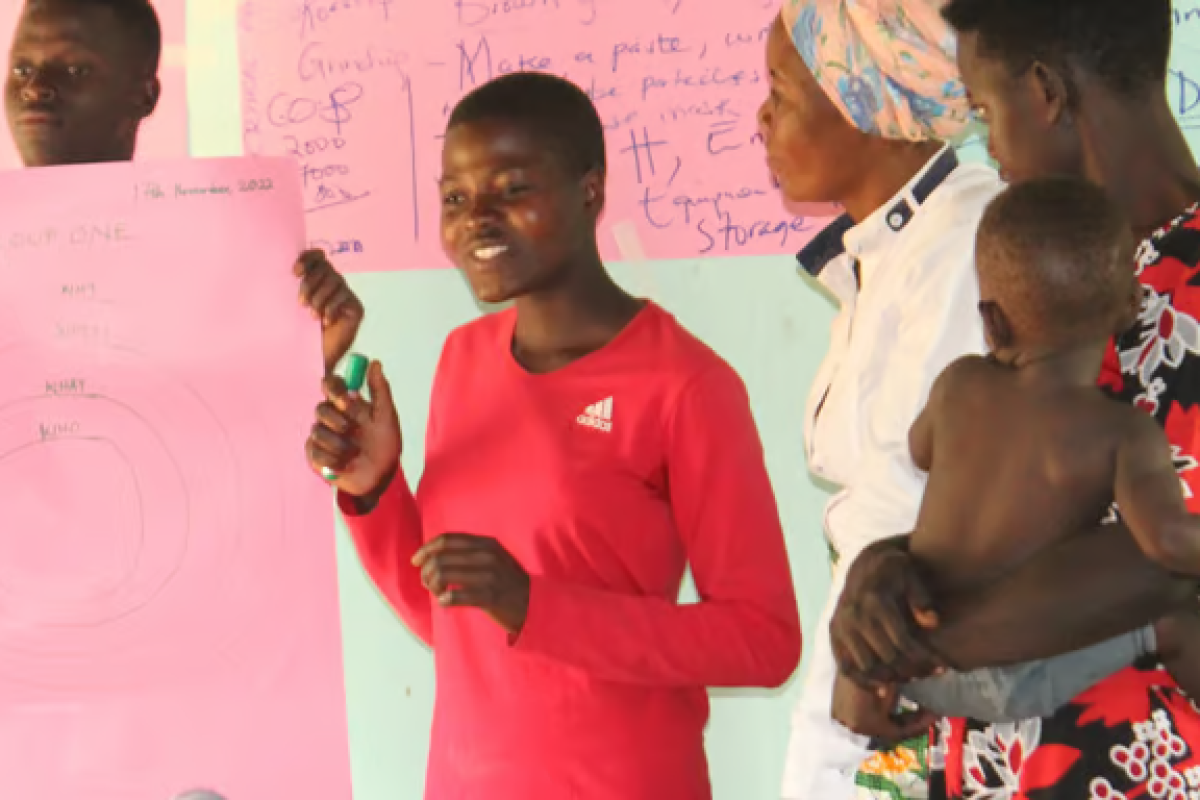
Agroecological entrepreneurship is emerging as one of the most promising pathways to rebuild resilient food systems across Africa. In June 2025, the Alliance for Food Sovereignty in Africa (AFSA) brought together practitioners from six countries for an intensive Trainer‑of‑Trainers workshop in Uganda that I am proud to have been part of. Over four days, participants engaged with modern business methods grounded in agroecological values, with the goal of equipping grassroots teams to scale sustainable food enterprises. The energy in the room was guided by a shared conviction: that smallholder producers hold the key to both local livelihoods and global sustainability.
Framing Agroecology as a Systemic Venture
At the heart of the workshop was the concept of systemic venture building, a holistic approach that goes beyond isolated innovations to design enterprises as living systems. Drawing on frameworks such as FAO’s 10 Elements of Agroecology, the training emphasized how true resilience arises from the interplay of ecological, social and economic factors. Concepts like diversity, recycling and circular economies are not abstract ideals but building blocks for businesses that can thrive under climate stress while nourishing communities. By viewing enterprises as ecosystems, entrepreneurs learn to anticipate feedback loops, optimize resource flows and balance multiple objectives, from soil health to social equity.
Grounding Decisions in Unit Economics and Bookkeeping
Effective scaling demands clear metrics. Unit economics, measuring revenues and costs on a per‑unit basis, offers a lens to evaluate profitability and sustainability before committing scarce resources. In Investopedia’s definition, unit economics includes all fixed and variable costs apportioned to one unit of product or service, serving as a foundation for pricing decisions and profit forecasts. Rigorous bookkeeping practices turn this analysis from a one‑off exercise into a continuous feedback mechanism. By tracking inputs, outputs and margins in real time, agro‑entrepreneurs gain the confidence to reinvest in innovations that work and pivot swiftly away from unprofitable models.
Designing Business Models for Local Realities
Every community presents unique strengths and constraints. During the session on business model development, country teams mapped local value chains, identified gaps and co‑created revenue structures that align with cultural practices and market opportunities. This grounded approach echoes best practices in human‑centered design: solutions emerge from empathetic engagement, iterative prototyping and validation with end users. When farmers see their needs reflected in the enterprise design from packaging formats to payment terms, they become partners rather than mere suppliers.
Validating Ideas through Lean Startup Principles
Time and resources are scarce. Borrowing from Eric Ries’s Lean Startup methodology, participants tested assumptions rapidly with minimum viable prototypes, small batches of product, pop‑up market stalls or digital surveys to learn what resonates before scaling investments. This disciplined experimentation reduces risk, accelerates learning and keeps teams focused on what customers truly value. Rather than waiting for perfect solutions, entrepreneurs embrace a cycle of build–measure–learn, using each iteration to refine their offerings and business processes.
Crafting Compelling Investor Pitches and Narratives
Impactful ideas need compelling stories. In collaboration with United Social Ventures, the workshop honed participants’ abilities to weave data and narrative into investor pitches. Storytelling frameworks help translate complex models into relatable journeys—highlighting not only financial returns but social and environmental impact. By presenting clear metrics alongside human stories, agro‑entrepreneurs can engage funders, policymakers and partners who share their vision for a food‑sovereign Africa.
Exploring Steward‑Ownership Models
Traditional shareholder‑driven structures can misalign incentives in mission‑driven enterprises. To address this, the workshop introduced steward‑ownership frameworks, where governance and control remain with purpose‑aligned stakeholders rather than external investors. Inspired by models such as foundation‑owned firms in Europe, steward‑ownership preserves both capital discipline and long‑term mission integrity. Entrepreneurs explored how legal structures can embed sustainability values into the DNA of their ventures, ensuring profits serve communities rather than short‑term gains.
Field Insights from Kanyes Dairy Goat Farm
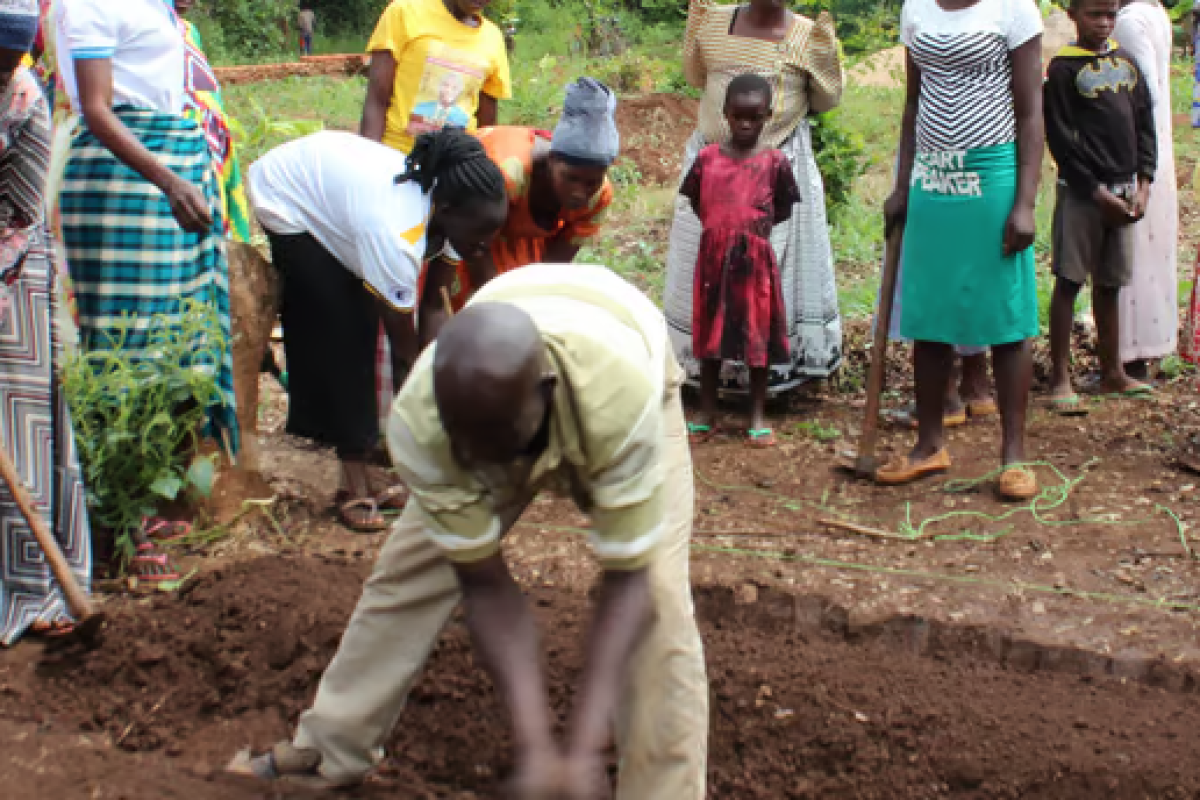
A visit to Kanyes Dairy Goat Farm offered tangible lessons in value addition and inclusive leadership. Women‑led groups showcased feed formulation, milk processing and packaging techniques that increased shelf life and market appeal. Seeing raw milk transformed into cheese, yoghurt and soap exemplified how simple innovations can unlock new revenue streams for smallholders, and how women’s leadership drives both social cohesion and enterprise resilience.
Democratizing Access through Co‑Shared Processing Facilities
One of the most exciting pitches came from the Community Women’s Enterprise Network: a co‑shared agro‑processing hub that lowers barriers for smallholder farmers. Instead of investing in individual machinery, producers can access milling, drying and packaging equipment through an affordable service fee. This hub model reflects global best practices in shared infrastructure much like agricultural cooperatives that pool resources and negotiate better market terms. By de‑risking capital investments, co‑shared facilities empower entrepreneurs to focus on product quality, branding and distribution.
This workshop was more than a training session, it was a launchpad for a continental movement. As facilitators and participants reconvene in their home countries, the challenge lies in translating insights into action: replicating steward‑ownership structures, embedding unit‑economic discipline, leveraging lean experiments and nurturing stories that attract capital. AFSA’s role as a continental clearinghouse will be crucial in sharing lessons, coordinating peer networks and advocating for policies that enable agroecological enterprises to flourish.
For those committed to food sovereignty, agroecology and equitable growth, this is a moment to act. Investors, development partners, researchers and policymakers all have roles to play. By joining forces, we can build an ecosystem where smallholder‑led innovation is not the exception but the norm, where every farm is both a steward of the land and a catalyst for community prosperity. Let us collaborate to scale solutions that serve people and the planet alike.